
Reviving a Forgotten Industry — Why Manufacturing Still Matters
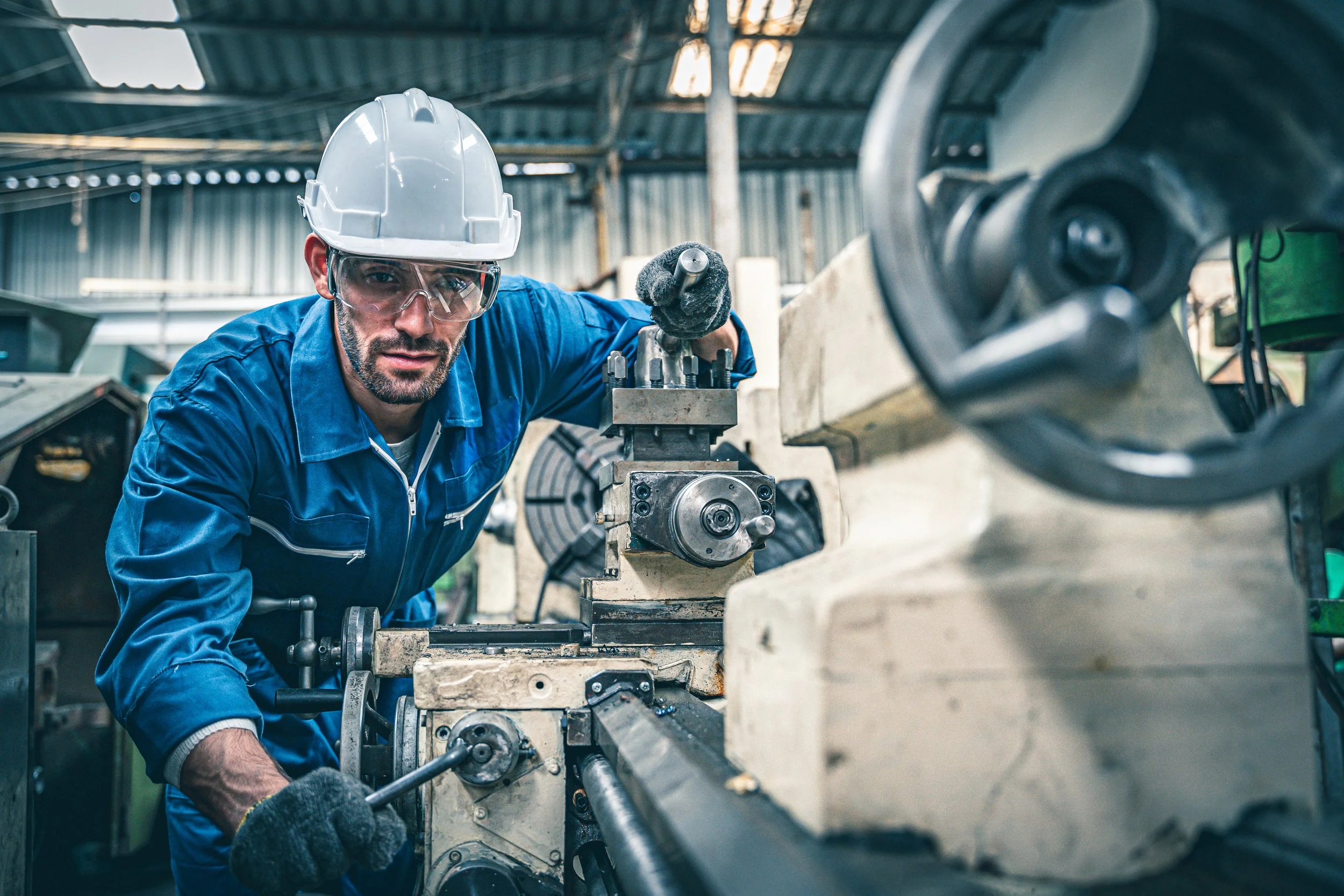
For decades, manufacturing has quietly slipped into the background of career conversations. Schools tend to highlight technology, finance, healthcare, and digital roles, leaving the perception that manual and craft-based industries no longer exist in the UK. But companies like The Sewing Factory are proof that manufacturing is not only alive, it’s full of opportunity.
A Forgotten Yet Vital Sector
Manufacturing once formed the backbone of the British economy. Today, although the sector still contributes billions each year, it receives far less attention than it deserves. Young people are rarely encouraged to explore practical careers such as machining, sewing, textile assembly, or production management.
This lack of visibility creates two major challenges:
Shortage of skilled workers
Misconceptions about stability, and career progression
The Sewing Factory: A Modern Example
The Sewing Factory in Southend, Essex is experiencing these challenges first-hand. Predominantly a manufacturer of adult and kids dancewear, they have struggled to find people with sewing and textile skills or even an interest in sewing, to help them fulfil the growing demand. Many candidates assume factories have disappeared from the UK landscape, while others believe the roles are outdated or offer little progression.
But the reality is very different. Their environment is modern, supportive, and focused on learning. Employees gain hands-on expertise, the chance to master a craft, and real pathways into supervisory or specialist roles.
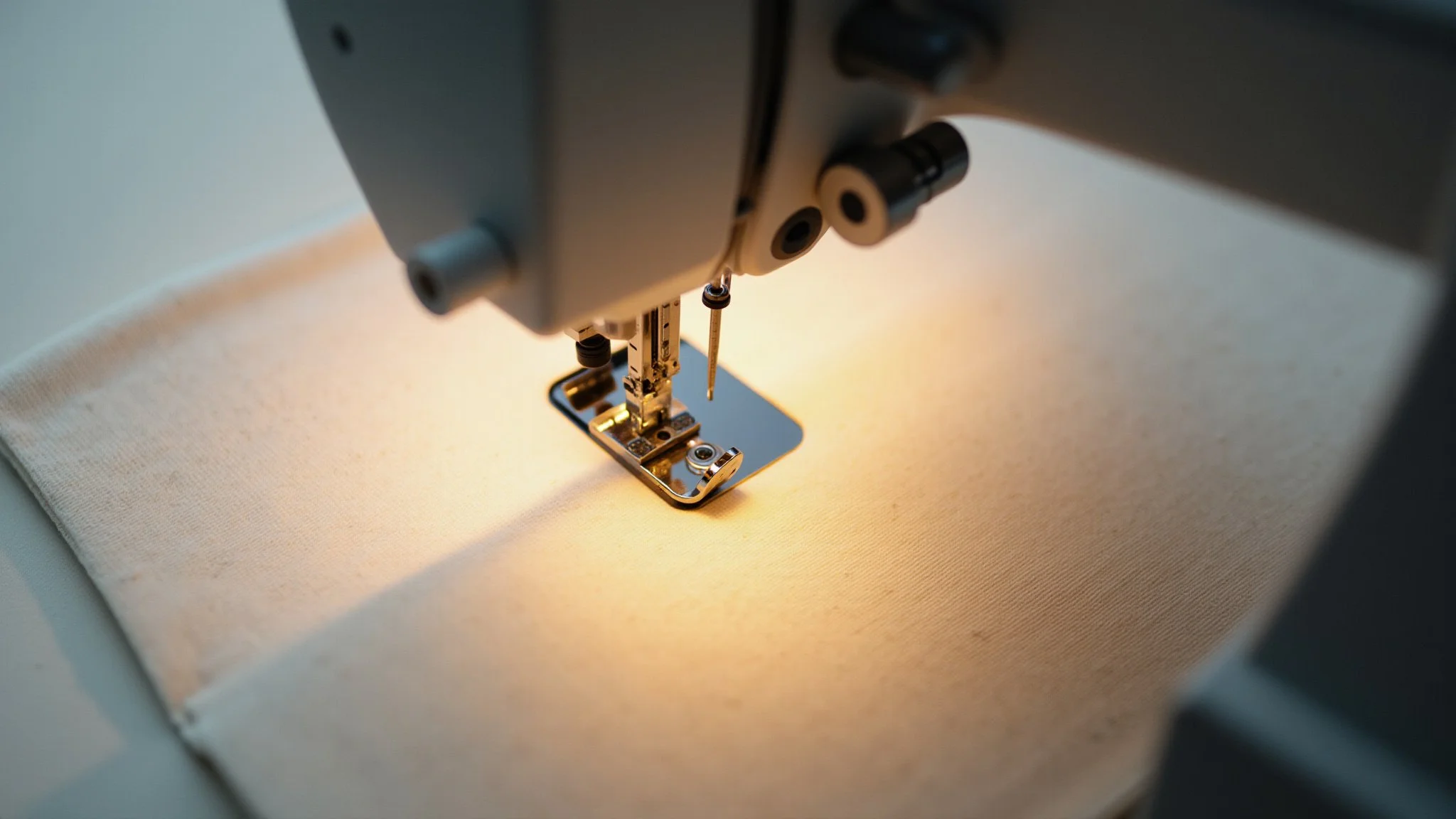
Whilst it’s nice to hire someone with some sewing experience it isn’t a necessity. We could take anyone with an interest in sewing and train them to do something beneficial when they finish school, even those that leave without any academic qualifications. It’s something that could become a career, rather than them feeling beaten down by their academic results. Our roles are creative, fulfilling and great for those who thrive on routine, and all skills needed can be taught to a willing person.
Candy Miller, The Sewing Factory Ltd, Southend-On-Sea
Why Manufacturing Still Matters

Talk to people who build, sew, shape, and assemble for a living and you’ll hear a common thread woven through their stories. Manufacturing isn’t just a job.
It offers:
Clear career progression.
Many workers start in entry-level roles and steadily grow into specialists, supervisors, trainers, or even business owners. In a world where career ladders can feel uncertain, manufacturing still believes in mentorship and advancement.
Valuable technical skills.
Whether mastering advanced machinery, learning precision techniques, or troubleshooting complex processes, manufacturing teaches skills that are rare, transferable, and deeply respected.
Learn as you go.
Many manufacturing roles, including those at The Sewing Factory do not require any qualifications or experience. There are plenty of opportunities to learn on the job or complete apprenticeships, giving you the best of both worlds, future qualifications and life experience.
Job stability.
As long as people need physical goods and we always will manufacturing remains essential. Even when industries shift, skilled makers remain in demand.
Creative expression and craftsmanship.
There’s artistry in production. From sewing and woodworking to metal fabrication and electronics, manufacturing blends technique with imagination. Workers don’t just follow instructions they shape materials into something meaningful.
The pride of making something real.
Few things compare to the satisfaction of holding a finished product and knowing you brought it into the world. While many modern jobs live inside screens, manufacturing leaves a tangible legacy.
A New Movement Taking Shape
Organisations like The Sewing Factory are working to bring these truths back into public view. Their message is simple: manufacturing is not outdated it’s undervalued. By showcasing modern production environments, sharing worker stories, and connecting with schools and communities, they’re helping rewrite the narrative.
And they’re not alone. Across the country, proactive employers are partnering with local programs, offering training opportunities, and inviting young people to see the industry firsthand. Communities are rediscovering the importance of local production, from sustainable fashion to custom fabrication. Consumers, too, are showing renewed interest in the craftsmanship behind the products they buy.
The Sewing Factory are often on the lookout for passionate, team players with an interest in sewing and creating. If this sounds like you visit https://www.thesewingfactory.co.uk/